Why Select OEM Auto Parts: The Benefits of Original Equipment Manufacturer Components
Opting for OEM auto parts represents a pragmatic strategy for maintaining your automobile. These units are created expressly for each car configuration, assuring fit and trustworthiness. Although the initial cost might be higher, the opportunity for extended savings and better performance should not be overlooked. Understanding the variations between OEM and aftermarket alternatives exposes critical knowledge. Which aspects actually determine the decision process for vehicle operators?
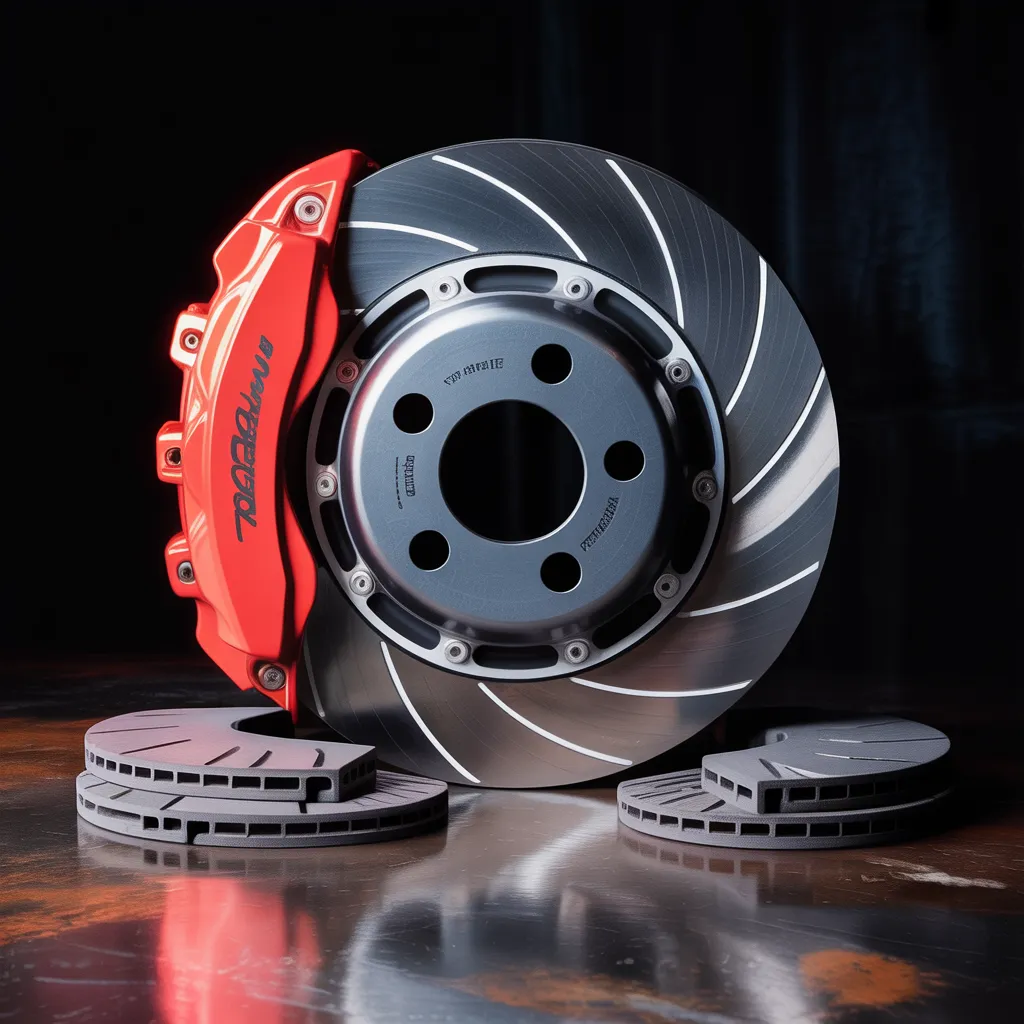
Why Select OEM Parts Over Aftermarket Options?
When examining vehicle maintenance, many car owners often ponder why they should select OEM parts over aftermarket options. OEM parts, made by the original vehicle maker, are tailored specifically for a particular model, guaranteeing compatibility and peak performance. This precision often results in enhanced reliability and longevity compared to aftermarket alternatives, which may differ in quality and fit.
Furthermore, OEM parts generally come with guarantees, offering additional peace of mind for consumers. In contrast, aftermarket parts can sometimes miss proper certification, causing potential safety risks. While OEM parts might carry a higher upfront price, their long-term benefits—such as lower chance of repairs and reliable vehicle operation—can result in overall cost reductions. Ultimately, choosing OEM parts guarantees that the vehicle maintains its quality, operational benchmarks, and market worth, rendering it a prudent choice for conscientious car owners.
Top Five Benefits of Using OEM Auto Parts
The application of OEM auto parts offers several significant benefits that enhance vehicle functionality and reliability. First and foremost, these parts come with quality assurance, guaranteeing they meet the manufacturer's standards. Furthermore, OEM parts are engineered for a perfect fit, minimizing installation problems and preserving the condition of the vehicle.
Guarantee Quality Assured
Numerous car owners prioritize quality assurance when choosing parts for their automobiles, making OEM (Original Equipment Manufacturer) auto parts a popular choice. OEM components go through rigorous inspection and adhere to stringent manufacturing standards, ensuring they meet or exceed the original specifications set by vehicle manufacturers. This commitment to quality means that OEM parts are less likely to fail, providing peace of mind for drivers. Additionally, using OEM parts can improve the overall dependability and longevity of a vehicle, decreasing the frequency of repairs. Many insurance companies also recognize the value of OEM components, often covering their use in claims. Consequently, choosing OEM auto parts is a wise decision for those seeking durability and performance in their vehicles.
Ideal Fit Every Time
Choosing OEM auto parts not only guarantees high quality but also assures a precise fit every time. These components are designed specifically for each vehicle make and model, ensuring compatibility with existing systems. Unlike aftermarket alternatives, which may vary in size and specifications, OEM parts follow precise manufacturing standards set by the original manufacturer. This minutiae minimizes installation issues, reducing the risk of additional repairs down the line. Additionally, a perfect fit enhances overall vehicle performance and longevity, allowing systems to function at their best. By opting for OEM parts, vehicle owners can enjoy learn more peace of mind, knowing that every component will fit perfectly, maintaining the vehicle's integrity and safety. To conclude, OEM auto parts deliver unmatched fit and reliability.
How OEM Parts Maintain Flawless Compatibility
OEM parts are carefully engineered for specific vehicle models, ensuring an exact fit. Their creation adheres to precision engineering standards, which guarantees optimal functionality and durability. This results in a smooth setup process, minimizing the chance of issues or additional modifications.
Engineered for Specific Models
When a vehicle owner wants to service or fix their car, the precision of parts becomes crucial for optimal operation. OEM auto parts are specifically designed for particular vehicle models, guaranteeing a ideal match and functionality. Unlike third-party options, which may vary in quality and compatibility, OEM parts adhere to the precise standards established by the manufacturer. This customized method reduces the chance of fitting mistakes and possible mechanical problems, thereby enhancing the car's general dependability. Additionally, using OEM parts helps preserve the initial performance traits of the vehicle, guaranteeing that it functions as designed. To conclude, the model-specific design of OEM parts guarantees maximum compatibility, which is vital for successful repairs and upkeep.
Precision Engineering Standards
Precision engineering standards are crucial in guaranteeing auto parts provide peak performance. OEM parts are meticulously designed to meet the exact requirements set by the vehicle manufacturer. This focus on precision guarantees that each component integrates smoothly within the vehicle's system, preserving ideal functionality. The rigorous testing and quality control processes associated with OEM production further reinforce reliability, which is vital for safety and efficiency. Unlike aftermarket alternatives, which may vary in quality and design, OEM parts are manufactured from high-grade materials, ensuring durability and longevity. This dedication to precision not only enhances vehicle performance but also reduces the risk of compatibility issues, offering peace of mind for vehicle owners who prioritize quality and reliability.
Easy Installation Journey
Providing flawless alignment, OEM parts are engineered exclusively for each vehicle model, enabling an smooth fitting process. This customized approach removes the uncertainty frequently linked with aftermarket components, which may differ in fit and function. OEM parts conform to stringent manufacturing standards, ensuring that every component aligns exactly with the vehicle's specifications. As a result, mechanics and technicians can place these parts swiftly and effectively, decreasing labor time and potential errors. Additionally, the fit of OEM parts lowers the risk of additional repairs down the line, as they are designed to work seamlessly with existing systems. The assurance of an perfect fit contributes to the overall dependability and performance of the vehicle, making OEM parts a sensible choice for car maintenance.
Why OEM Auto Parts Elevate Vehicle Output
OEM auto parts boost vehicle performance by supplying parts that are specifically designed to meet the manufacturer's original specifications. These parts ensure ideal fit, function, and reliability, which are vital for preserving the integrity of the vehicle. For instance, OEM replacement engines and transmissions are engineered to work seamlessly with other vehicle systems, thereby enhancing acceleration, fuel efficiency, and overall handling.
Additionally, selecting OEM parts reduces the chance of malfunctions or failures that can take place with aftermarket options. This trustworthiness provides a more stable driving experience, enhancing safety and comfort. Moreover, OEM components often include advanced technology that matches the vehicle's design, leading to improved performance metrics.
How OEMs Influence Resale Value
Using original auto parts not only enhances vehicle operation but also has a major impact on the resale value. Vehicles containing original equipment manufacturer components typically maintain higher market value than those using aftermarket parts. This is primarily because of the reputation and reliability of OEM parts, which are designed specifically for the vehicle's make and model. Potential buyers favor these parts when examining a vehicle's condition and history, considering them as a sign of proper maintenance.
Also, vehicles with established record of OEM parts can achieve higher prices in the aftermarket. Customers are more apt to purchase in a automobile they view well-cared-for and dependable. Consequently, choosing OEM components not only boosts current performance but also serves as a strategic decision for future resale, confirming it a wise choice for car owners intending to increase their stake.
Assessing the Cost of OEM Vehicle Parts
When evaluating vehicle repairs, determining the cost of OEM auto parts is essential for well-informed purchasing decisions. OEM parts are typically more expensive than their aftermarket counterparts due to their exact fitment, quality, and reliability. This premium pricing indicates the rigorous manufacturing standards and testing processes that OEM components undergo, ensuring that they meet the specifications of the vehicle manufacturer.
While the initial capital in OEM parts may be substantial, it is important to account for the anticipated long-term savings. OEM parts are built to endure and function effectively, which can reduce the frequency of repairs and replacements over time. Additionally, using OEM parts may help safeguard the car's warranty coverage and resale potential, further justifying the expense. Therefore, a detailed cost-benefit review of the advantages versus expenses can shed light, helping vehicle owners make balanced decisions regarding their repair needs.
OEM vs. Aftermarket: Which Alternative Should You Decide On?
What choice most effectively combines quality and cost: OEM or aftermarket parts? The decision between Original Equipment Manufacturer (OEM) and aftermarket parts often depends on performance, durability, and price. OEM parts are engineered to fit a vehicle, ensuring compatibility and reliability. They usually include a warranty, which enhances the peace of mind for the buyer. However, they may be pricier than their aftermarket counterparts.
Alternatively, aftermarket parts can provide significant savings and a wider range of choices. Although many replacement parts can perform well, standards differ considerably among manufacturers. Some may not satisfy the same standards as OEM parts, possibly causing problems in the future. In the end, the decision should take into account the age of the vehicle, the driver's budget, and how long the owner intends to own the vehicle. Weighing these factors will assist in identifying the most suitable option for individual needs.
Frequently Inquired Queries
Is OEM Parts coverage provided in Warranty Plans?
OEM parts generally come with warranties that cover defects in craftsmanship and material quality. These warranties vary by manufacturer and component, ensuring that consumers can anticipate reliable performance and protection against premature failure or issues.
How Can I Confirm a Part Is OEM?
To validate a part as OEM, one should inspect the packaging for manufacturer labels, cross-reference part numbers with official sources, and obtain from licensed distributors. Online forums and reviews also offer details about genuineness.
Do OEM Parts Come in Varying Quality Grades?
OEM parts rarely feature varying grades; they are built to meet defined criteria established by the primary maker. This uniformity confirms steadfastness and alignment with the vehicle for peak performance and security.
Can I Install OEM Parts Myself?
Yes, individuals can fit OEM parts on their own, provided they have the required equipment and technical expertise. However, consulting a professional is recommended for complex setups to guarantee safety and correct operation.
Where Should I Buy OEM Auto Parts?
OEM auto parts can be bought at official dealers, specialized auto parts retailers, and digital marketplaces such as manufacturer websites or reputable e-commerce sites. Each source offers multiple choices for guaranteeing genuine parts and proper fit.